Readers of Agatha Christie usually veer towards her most well-known sleuths, Hercule Poirot, Miss Marple, Tommy and Tuppence, when discussing their favourite detective stories. So popular are these characters, that members of the ensemble cast rarely get a mention. But there is one sleuth that I’m particularly fond of- Lady Eileen ‘Bundle’ Brent.
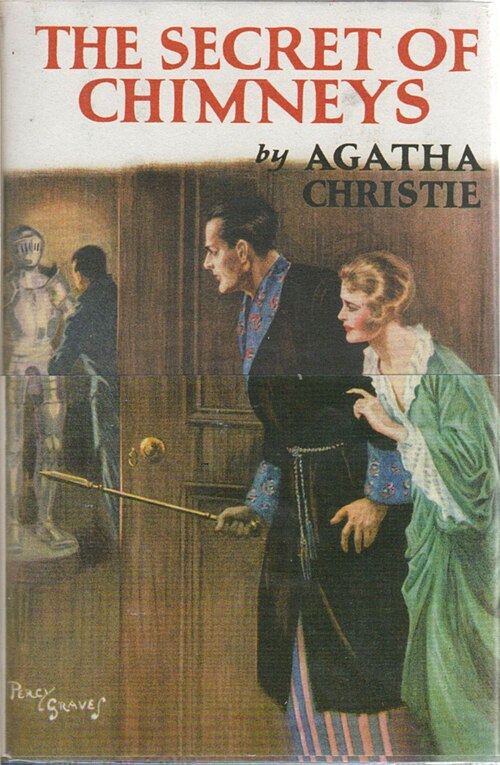
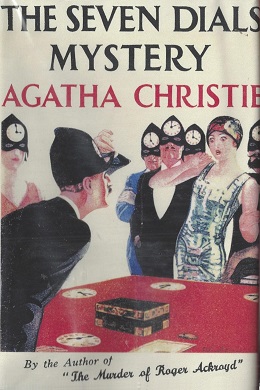
Appearing in two of Agatha’s novels, The Secret of Chimneys (1925) and The Seven Dials Mystery (1929), Bundle Brent is the epitome of the new 1920s woman, maturing in a decade which saw significant societal change. In The Secret of Chimneys, she is described as a ‘Red-hot Socialist’1, and in The Seven Dials Mystery, she is ‘simply it’2. ‘It’ in the 1920s was the sort of woman no longer confined to domesticity, who danced to jazz music in nightclubs, drank, smoked, and drove motorcars. She was also intelligent, capable, and a ‘good-sport’, part of a generation looking for fun and excitement after the horrors of the First World War.
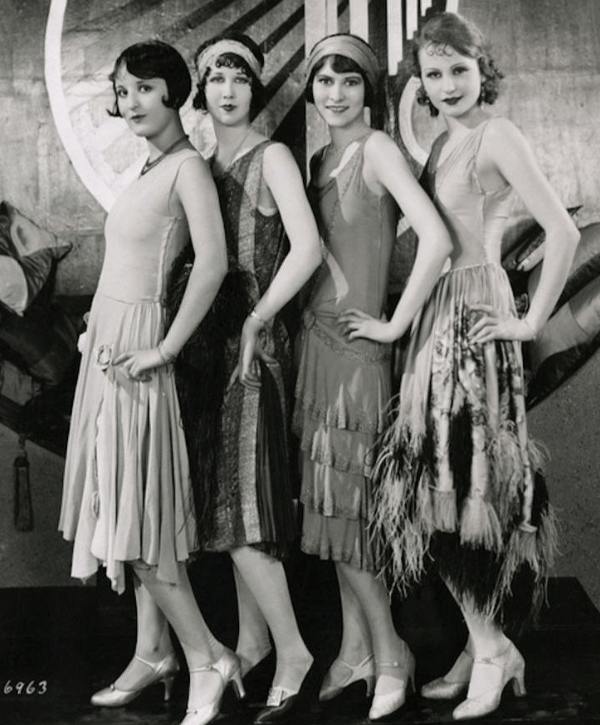
The ‘Bundle’ books are examples of the thriller-adventure stories peppered throughout the Christie canon. Their settings are domestic, rather than international, taking place in the typical English country house that Christie would become synonymous with. The international intrigue required for their thriller genre, is an external threat that encroaches on peaceful English domesticity.
Aside from their exciting plots, these books are fascinating because their publication dates straddle a significant change in the life of Agatha Christie. She experienced the high of the publication of The Murder of Roger Ackroyd in 1926, widely considered to be one of her greatest, and one that subverted the genre with its unreliable narrator and genius plot twist. But it was also a time of huge lows for Agatha, experiencing the death of her beloved mother, the breakdown of her marriage to Archie, and her notorious disappearance, which thrust her into the spotlight and contributed to her lifelong dislike for the media. By the time The Seven Dials Mystery was published at the end of the decade, Agatha’s writing career was back on track. The new independent and self-sufficient Agatha is reflected in the equally capable Bundle Brent.
Politics and house parties
In the novels, the action is centered around Chimneys, the country house retreat of Lord Caterham. He wants nothing more than peace and quiet, but this solitude is interrupted by the ‘inconsiderate’3 people who keep dying while staying at his home. In The Secret of Chimneys, it is Prince Michael, the heir to the throne of the fictional country Herzoslovakia. In The Seven Dials Mystery, it is a young man named Gerry Wade, who has supposedly died of an overdose of sleeping draught.
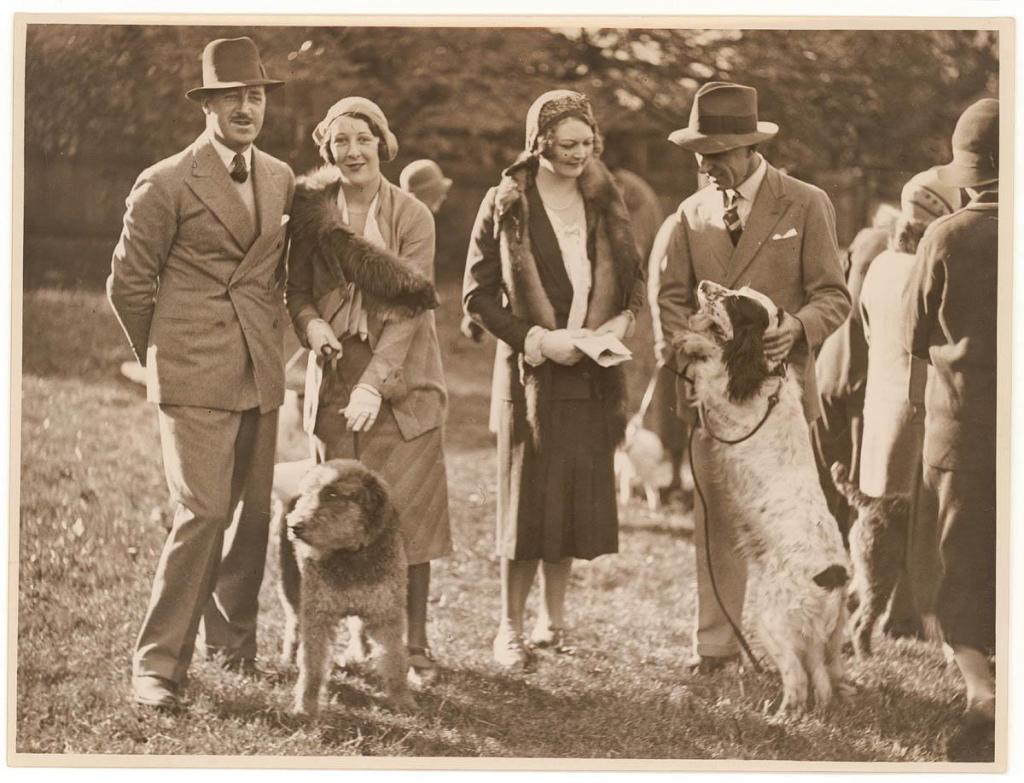
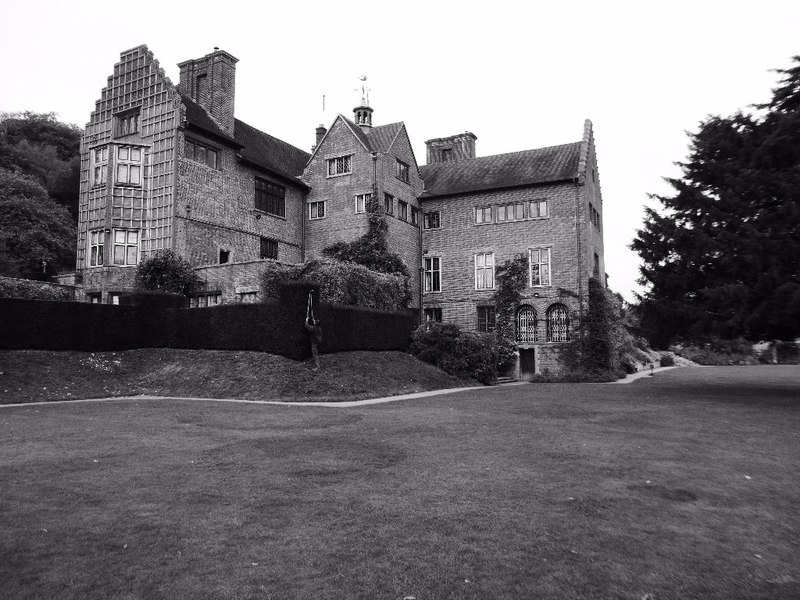
There is something very English about a country house party, and Agatha’s depiction of Chimneys holds some truth in its representation (aside from the number of murders that take place there). In The Secret of Chimneys, Lord Caterham is persuaded by the politician George Lomax, that Chimneys would be the perfect location for a secret meeting between British government officials and representatives from Herzoslovakia. The loan of country houses to politicians for discreet house parties was surprisingly common in this period. The relaxed atmosphere of the country house, with activities such as hunting, boating and picnics during the day followed by lavish dinners, parlour games and music at night, were thought to provide a more private and congenial setting for the negotiation of political alliances.4 A real-life example of this was Winston Churchill’s house Chartwell, which was used as a meeting point in the 1930s for the gathering of political intelligence about the state of affairs in Germany.5 At the time, Churchill no longer held a government position, but he used his connections and his home as a base to keep watch on developments in Europe.
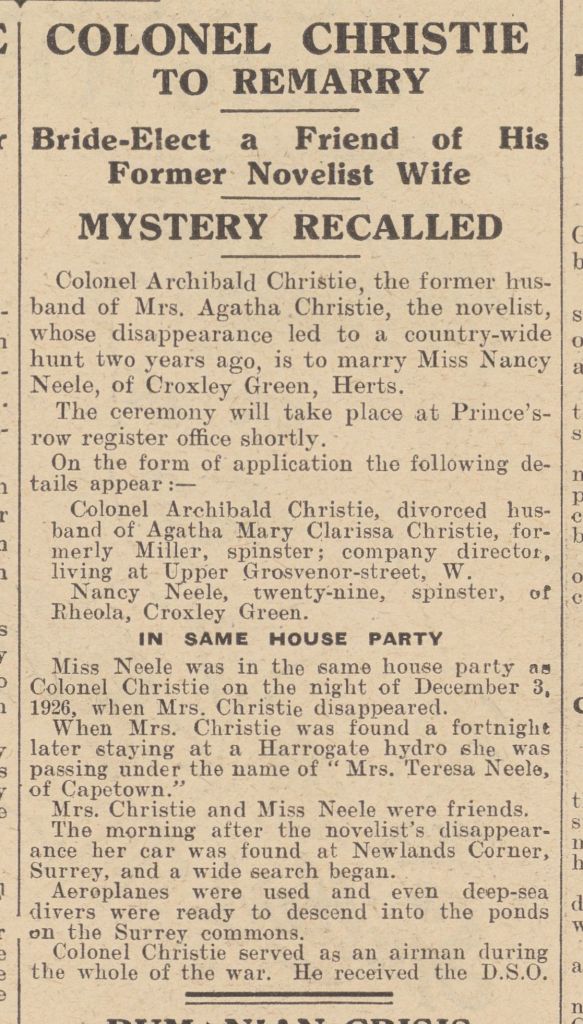
Aside from political meetings, country house parties were also ideal locations for a romantic rendezvous. It was at a house party at Hurtmore Cottage in Godalming that Archie Christie met and conducted his affair with Nancy Neele in 1926. Under the pretext of ‘staying with friends’ for weekend parties, Archie was falling in love and preparing to leave his wife.
Agatha in turmoil
The Secret of Chimneys was one of the last books Agatha published with The Bodley Head. The following year, 1926, was supposed to be a good year, with The Murder of Roger Ackroyd being released with her new publisher William Collins. For Agatha, its success was tinged with sadness, as two months before its release, her beloved mother died. It was a devastating event for Agatha who had been close to her mother. A few months after this, with Agatha in the throes of grief, Archie asked for a divorce saying that he had fallen in love with someone else. In her autobiography, Agatha reveals that devastating effect this news had on her self-confidence, writing, ‘I must in some way have been inadequate to fill Archie’s life.’6 Is it any wonder then, that she suffered a nervous breakdown and went missing in December 1926. Ironically, Archie was at a house party in Godalming with Nancy Neele when he was informed of his wife’s disappearance.
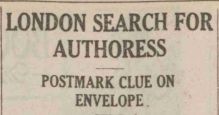
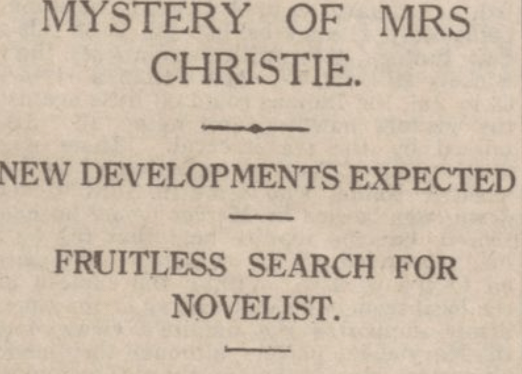
Agatha was found 11 days later staying at the Swan Hydro Hotel in Harrogate under the alias Theresa Neele from South Africa. In the days of her disappearance, the press had gone wild with stories about what could have happened to her, with many comparing it to the plot of one of her detective novels. Agatha had experienced a complete mental breakdown and loss of memory, and the media’s treatment of her during and immediately after this incident would leave a lasting impression, making her reluctant to speak to the press or to reveal too much of herself.
It took Agatha some time to recover from her breakdown. In January 1927, she travelled to the Canary Islands with her daughter, Rosalind, and secretary, Carlo Fisher, for three months of recuperation out of the English spotlight. In her autobiography, she wrote that she made the decision to go abroad because ‘life in England was unbearable’7 .
Her writing had also taken a back seat while she recovered, but when Agatha’s divorce was finalised in 1928, she found new purpose for her creative pursuits. Adventure would be the cure she needed, and a trip on the famous Orient Express, which she had always longed to travel on, was just the creative inspiration she needed.
Reading The Seven Dials Mystery, I feel like Agatha had got her spark back. Perhaps, she was writing herself into Bundle Brent, an independent, daring and headstrong protagonist who doesn’t rely on men to rescue her, but instead forges her own path. It was the end of a tumultuous decade, but for Agatha, the best was yet to come.
Interested in more Agatha Christie? Read part one of My Year with Agatha: 1920s Agatha abroad here
References
- Christie, A (2014), The Secret of Chimneys, Harper Collins, London, p 27 ↩︎
- Christie, A (2014), The Seven Dials Mystery, Harper Collins, London, p 20 ↩︎
- As above, p 41 ↩︎
- Tinniswood, A (2016), The long weekend: life in the English country house between the wars, Jonathan Cape, London, p 344 ↩︎
- Carter, K (2024), Churchill’s Citadel: Chartwell and the Gatherings Before the Storm, Yale University Press, London, p 1-2 ↩︎
- Christie, A (2010), An Autobiography, Harper Collins, London, p 352 ↩︎
- As above, p 353 ↩︎






Leave a Reply